

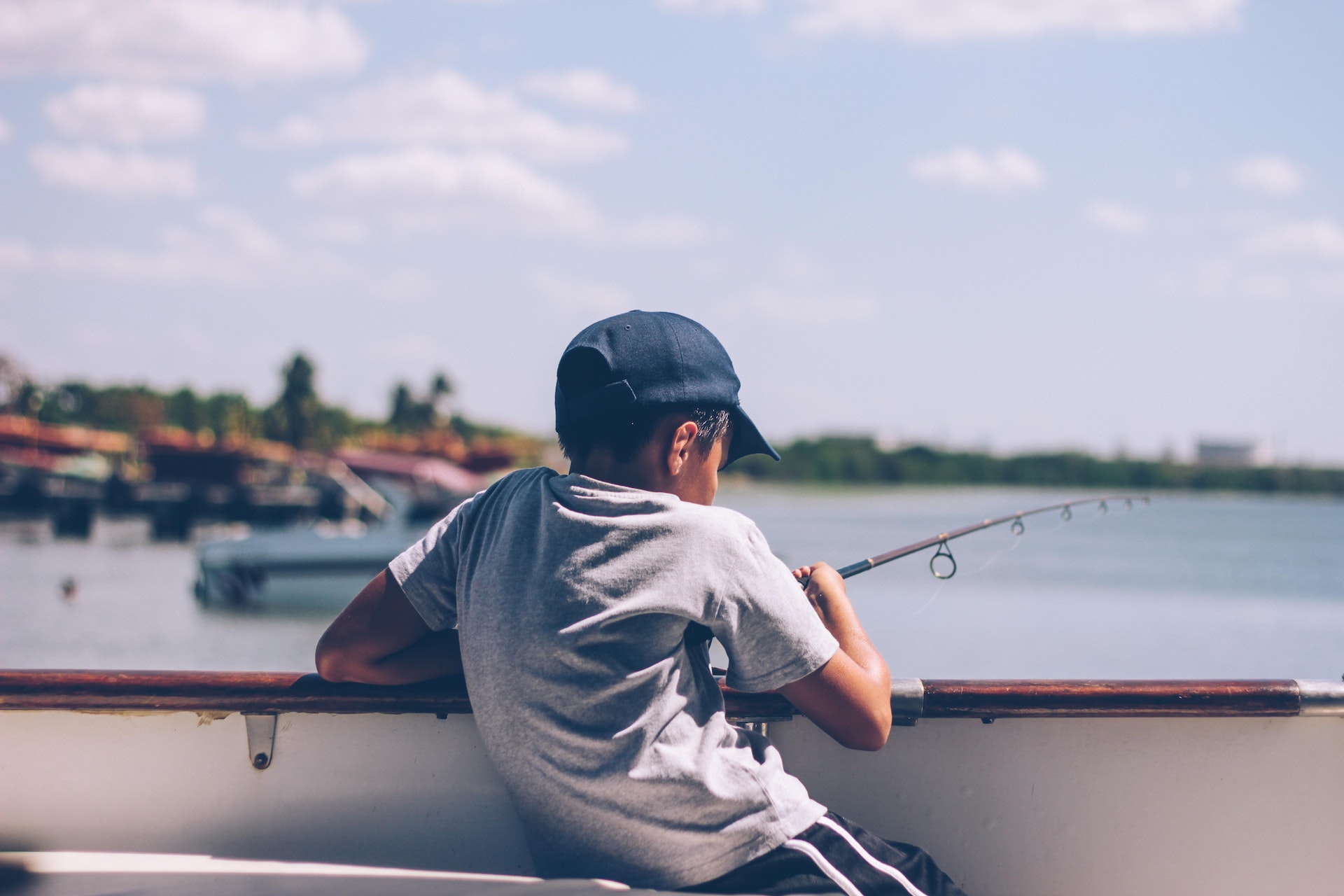
Discovering the Excitement of Sport Fishing
When we think about sports, our minds often jump to activities like basketball, baseball, or even the familiar pastime of traditional fishing. But there’s another thrilling activity that might not be as widely known: sport fishing.
Defining Sport Fishing
Sport fishing, also called recreational or game fishing, is a dynamic water sport where participants aim to catch the most sought-after fish species. Originating from the broader category of recreational fishing, sport fishing utilizes similar tools like bait, hooks, rods, and reels. However, unlike other types of fishing, this often takes place in deep water, making a boat a crucial component of the experience.
The Two Primary Forms of Sport Fishing
Sport fishing is generally divided into two main categories:
- Saltwater Fishing: This involves pursuing species like tuna, Chinook, and marlin.
- Freshwater Fishing: This type targets fish such as bass, catfish, salmon, and snook.
Many tournaments are focused on catching specific fish, like marlin or salmon, adding a layer of competition to the sport.
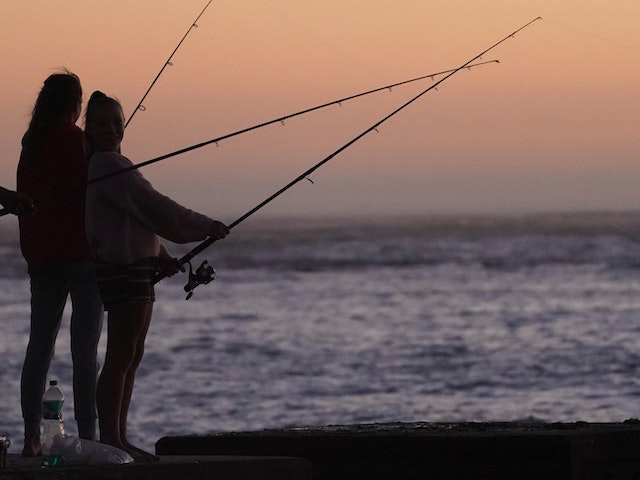
The Allure of Sport Fishing
Sport fishing is primarily about the thrill of the chase. Anglers experience a rush of adrenaline as they tackle the challenge of catching particular fish. The methods employed can vary widely, depending on factors like the species being targeted, the location, and the individual angler’s tactics, especially when fishing in the Gulf of Mexico.
In the past, anglers in North America would often bring their catches to shore to weigh them as trophies, even if the fish had died. Nowadays, there is a much stronger focus on conservation. Many anglers now practice catch and release or tag and release, where the fish are tagged, their vital statistics are recorded, and then they are released back into the water. This information is often shared with government agencies to help monitor fish populations.
Sport Fishing Techniques
A variety of techniques and strategies, each with its own unique appeal:
- Bowfishing
- Netting
- Angling
- Trapping
- Spearfishing
Among these, angling is the most prevalent. In this method, a line with a hook at the end is cast into the water using a rod, and bait is attached to the hook. The line is then reeled in with the help of a reel.
Another well-known technique is fly fishing, which is characterized by its repetitive casting motion, designed to mimic the movement of a fly on the water’s surface and attract fish. Some anglers even opt for the less conventional method of using crossbows in their adventures.
While luck can play a part in sport fishing, the angler’s skill and knowledge are essential. Studies have shown that successful excursions relies on several factors, including:
- The fish’s internal state
- The interaction between the fish and the fishing gear
- The design and functionality of the fishing equipment
Importance of Fishing Tackle
Fishing tackle is a vital part of an angler’s toolkit. The terminal tackle, which is the gear attached to the end of a fishing line, includes items like swivels, wire, split rings, spoons, blades, and various lures. Each type of tackle is best suited for specific techniques, and mastering their use can greatly enhance an angler’s chances of a successful catch.
Conclusion
Sport fishing is a fascinating mix of skill, strategy, and excitement. Whether you’re aiming for massive saltwater species like marlin or popular freshwater targets like bass, the excitement of the catch and the connection to nature make for a captivating pursuit for enthusiasts. As the sport continues to grow, so do the methods and equipment, ensuring that the environment remains an ever-evolving and engaging activity for anglers of all experience levels.