

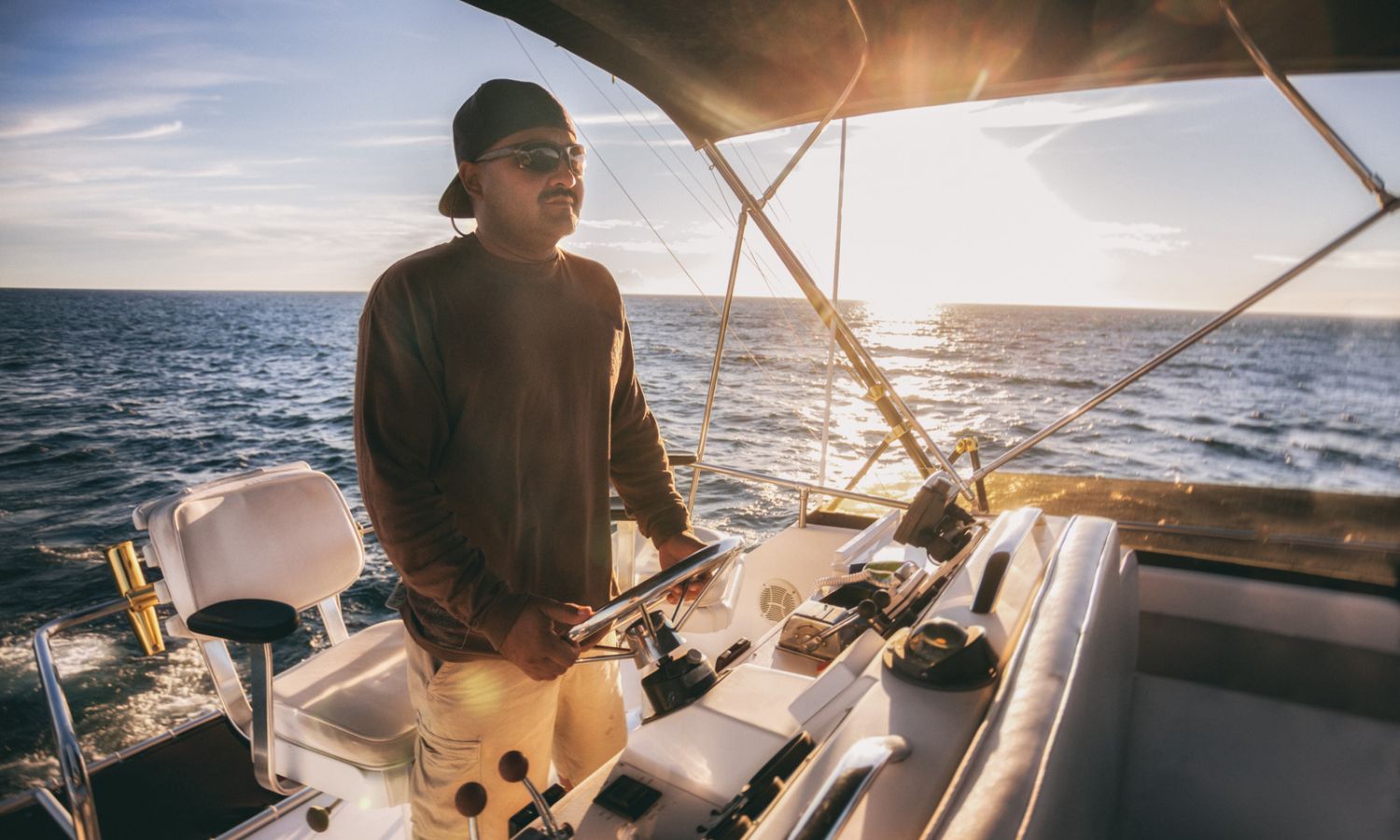
The Gulf of Mexico draws anglers from all over the world, offering rich waters teeming with life. Whether you’re a seasoned fisherman or just starting out, the Gulf promises exciting fishing adventures that cater to all levels of experience. With its diverse marine life and stunning coastal landscapes, this region offers something for every fishing enthusiast. Let’s dive into what makes the Gulf of Mexico a premier destination for fishing adventures.
Why the Gulf of Mexico is a Fishing Hotspot
A Unique Marine Ecosystem
The Gulf of Mexico boasts a unique marine ecosystem that supports a wide variety of fish species. The warm waters and nutrient-rich currents create an ideal environment for fish to thrive, making it a prime location for both commercial and recreational fishing.
Diverse Fish Species
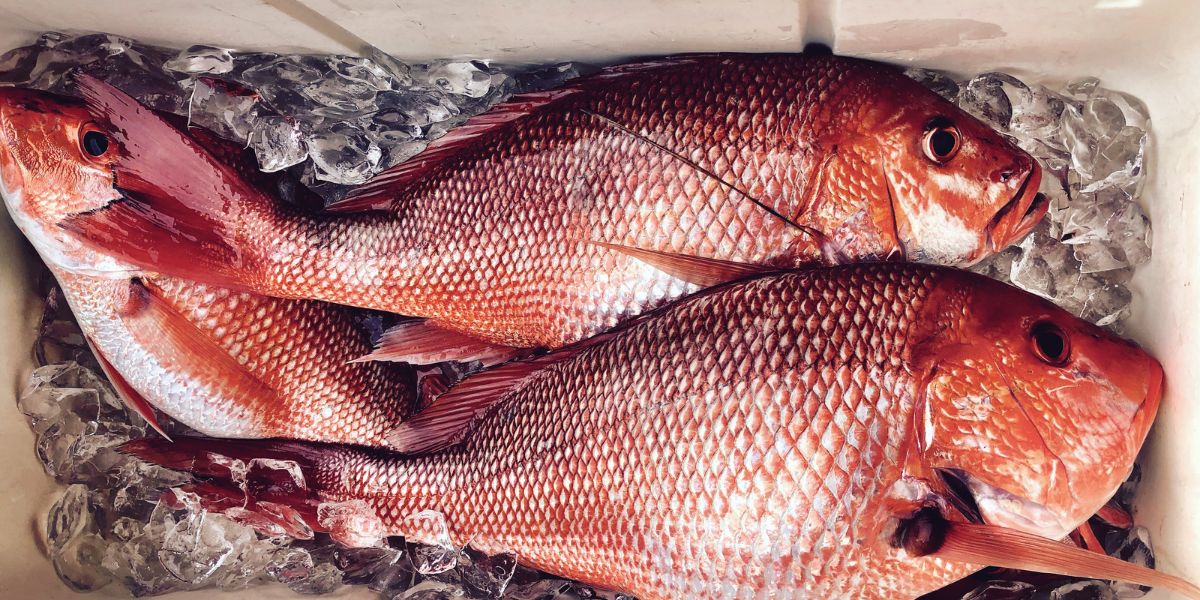
In these rich waters, you can encounter everything from red snapper and grouper to tarpon and marlin. Each season brings its own set of opportunities, with certain species peaking at different times of the year. Whether you’re after the thrill of catching a giant marlin or prefer the challenge of landing a tricky redfish, the Gulf has it all.
Impact of Seasonal Changes
Seasonal changes play a significant role in determining the types of fish in the Gulf of Mexico. During the summer months, species like red snapper and mahi-mahi are abundant, while the cooler months see an increase in species like speckled trout and flounder. Understanding these patterns will help you plan your fishing trip more effectively.
Inshore Fishing Adventures
Popular Inshore Species
Inshore fishing in the Gulf of Mexico offers a chance to catch some of the most sought-after species, including redfish, speckled trout, and flounder. These fish are often found in the Gulf’s bays, estuaries, and shallow waters, making inshore fishing accessible and rewarding.
Best Inshore Fishing Spots
Some of the best inshore fishing spots include the shallow flats of Texas’s Laguna Madre, Florida’s Apalachicola Bay, and the marshes of Louisiana. These areas provide ample opportunities to hook a variety of fish species using different techniques.
Top Techniques for Inshore Success
When fishing inshore, it’s important to use the right techniques. Light tackle, live bait, and soft plastics work well for targeting species like redfish and speckled trout. Timing is also key—early morning or late afternoon usually yields the best results.
Benefits of Kayak Fishing
Kayak fishing has gained popularity in the Gulf due to its accessibility and the unique perspective it offers. Anglers in kayaks can reach areas that are often inaccessible by larger boats, providing an intimate and often more productive fishing experience.
Offshore Fishing Thrills
Deep-Sea Fishing Species
For those seeking more adventure, offshore fishing in the Gulf of Mexico offers an experience like no other. The deep-sea waters are home to larger, more powerful species such as tuna, mahi-mahi, and sailfish. These fish are known for their strength and speed, making them a thrilling catch for any angler.
Top Offshore Destinations
Some top offshore destinations in the Gulf include the deep waters off the coast of Texas, where you can find yellowfin tuna and blue marlin, and the Florida Keys, known for its abundance of mahi-mahi and sailfish. These spots are perfect for anglers looking to test their skills against some of the ocean’s most formidable fish.
Understanding Gulf Currents and Tides
To successfully target offshore species, it’s crucial to understand the Gulf’s currents and tides. These factors significantly influence fish behavior and can help you determine the best spots and times to fish. Many experienced anglers rely on this knowledge to maximize their catch.
What to Expect on a Fishing Charter
To maximize your chances of success, consider hiring a fishing charter. Charters provide access to experienced guides who know the best spots and can help you navigate the challenges of deep-sea fishing. They also supply all the necessary gear, making it easier for you to focus on the thrill of the catch.
Sustainable Fishing Practices
Conservation Efforts in the Gulf of Mexico
As you enjoy your fishing adventures in the Gulf of Mexico, it’s crucial to practice sustainable fishing to help preserve the region’s ecosystem. Conservation efforts play a vital role in maintaining the Gulf’s biodiversity, ensuring that future generations can enjoy the same rich fishing opportunities.
Catch and Release: Protecting the Future
Catch and release is a common practice, especially for certain species that are at risk of overfishing. By carefully handling and releasing fish back into the water, you contribute to the conservation of these valuable species.
Tips for Responsible Angling
Responsible angling involves more than just following the rules. It also includes respecting the environment, using eco-friendly gear, and avoiding the use of single-use plastics that can harm marine life. By adopting these practices, you can help ensure the long-term health of the Gulf’s marine ecosystem.
Understanding Fishing Regulations
Fishing regulations in the Gulf of Mexico are designed to protect fish populations and ensure sustainable fishing practices. It’s important to stay informed about the latest rules, including catch limits, size restrictions, and seasonal closures.
Planning Your Fishing Adventure
Licensing and Regulations
Before heading out to the Gulf, it’s important to plan your trip carefully. Start by obtaining the necessary fishing licenses, as both inshore and offshore fishing require proper documentation. Understanding the local regulations will ensure that your fishing adventure is both legal and enjoyable.
Choosing the Right Gear
The success of your fishing trip depends heavily on having the right gear. Whether you’re fishing inshore or sport fishing offshore, make sure your equipment is suited to the type of fish you’re targeting. This includes everything from rods and reels to bait and tackle.
Best Times to Fish
Timing is everything when it comes to fishing in the Gulf of Mexico. The best months for fishing vary depending on the species you’re targeting, but generally, the spring and fall offer prime conditions for a wide range of fish.
Packing Essentials for Your Trip
Make sure you pack the essentials, including the right fishing gear, bait, and safety equipment. If you’re heading offshore, consider bringing extra supplies such as sunscreen, plenty of water, and a first-aid kit. Being prepared will help you make the most of your fishing adventure.
Safety Tips for a Successful Trip
Safety should always be a priority when fishing, especially in offshore waters. Always wear a life jacket, stay aware of weather conditions, and ensure your boat is equipped with the necessary safety gear, including flares, a VHF radio, and a GPS device.
FAQs
What are the best months for fishing in the Gulf of Mexico?
The best months for fishing in the Gulf are typically spring and fall, but this can vary depending on the species you’re targeting.
Do I need a fishing license for both inshore and offshore fishing?
Yes, you need a fishing license for both inshore and offshore fishing in the Gulf of Mexico. Make sure to check the specific requirements for the state you’ll be fishing in.
What safety precautions should I take when fishing offshore?
When fishing offshore, always wear a life jacket, bring plenty of water, sunscreen, and a first-aid kit, and ensure your boat is equipped with navigation and communication tools.
Can I fish from the shore in the Gulf of Mexico?
Yes, shore fishing is popular in the Gulf of Mexico, with many anglers targeting species like redfish, snook, and speckled trout.
What is the most commonly caught fish in the Gulf?
Red snapper is one of the most commonly caught fish in the Gulf of Mexico, especially during the summer months.